
Email: info@shhejochemicals.com
Phone: + 86 21 6417 1223 / +86 152 167 18324
Address: 910. 9th Floor, No.99 South Longshui Road, Xuhui District, Shanghai, China 200232
The global bismaleimide market reached 127 million dollars in 2024 and is projected to grow to 234 million dollars by 2032, demonstrating strong momentum in high-performance materials. In 2024, U.S. aerospace manufacturers integrated bismaleimide composites in over 2,300 aircraft units, primarily in fuselage sections, engine components, and wing structures.
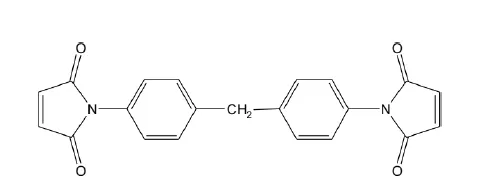
BMI prepregs are experiencing robust expansion at 8.7% annual growth through 2033, driven by rising adoption in aerospace and defense sectors requiring superior thermal stability and mechanical strength. Evonik launched new BMI resins in 2023 that improve processing efficiency by 15-20% while providing enhanced thermal stability crucial for high-performance engine and fuselage components.
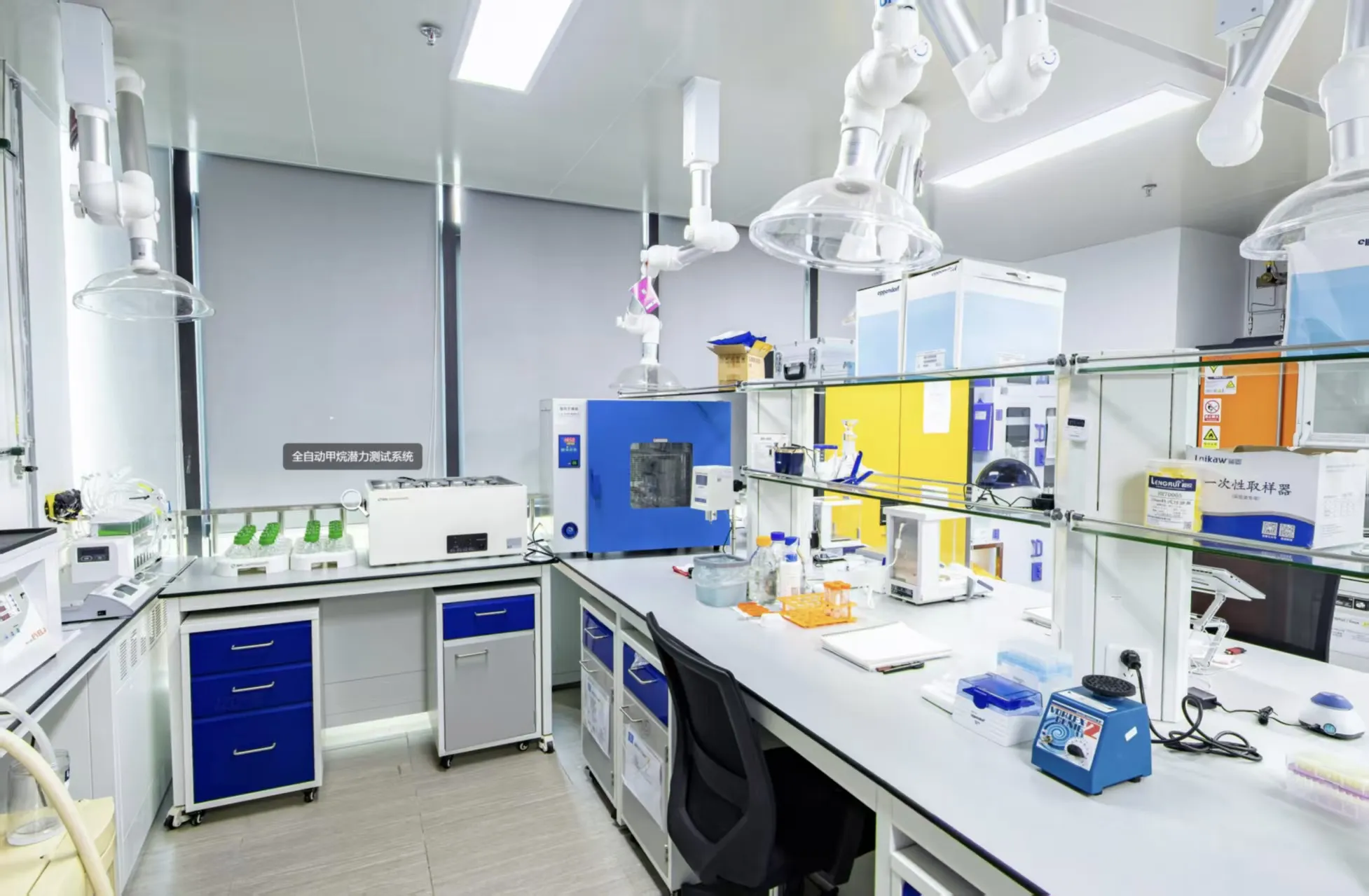
Over 1,200 new composite formulations based on bismaleimide systems were developed globally in 2024, with aerospace and electronics accounting for 72% of their usage. Innovation continues with China opening three new BMI production lines in 2024, adding over 4,000 metric tons to annual output, while sustainability initiatives focus on recyclable composite development.
The global bismaleimide market reached 127 million dollars in 2024 and is projected to grow to 234 million dollars by 2032, demonstrating strong momentum in high-performance materials. In 2024, U.S. aerospace manufacturers integrated bismaleimide composites in over 2,300 aircraft units, primarily in fuselage sections, engine components, and wing structures.
BMI prepregs are experiencing robust expansion at 8.7% annual growth through 2033, driven by rising adoption in aerospace and defense sectors requiring superior thermal stability and mechanical strength. Evonik launched new BMI resins in 2023 that improve processing efficiency by 15-20% while providing enhanced thermal stability crucial for high-performance engine and fuselage components.
Over 1,200 new composite formulations based on bismaleimide systems were developed globally in 2024, with aerospace and electronics accounting for 72% of their usage. Innovation continues with China opening three new BMI production lines in 2024, adding over 4,000 metric tons to annual output, while sustainability initiatives focus on recyclable composite development.
Email: info@shhejochemicals.com
Phone: + 86 21 6417 1223 / +86 152 167 18324
Address: 910. 9th Floor, No.99 South Longshui Road, Xuhui District, Shanghai, China 200232
Copyright © 2025 Shanghai Hejo Chemicals Ltd. Powered by iglobalwin.com