
Email: info@shhejochemicals.com
Phone: + 86 21 6417 1223 / +86 152 167 18324
Address: 910. 9th Floor, No.99 South Longshui Road, Xuhui District, Shanghai, China 200232
In the world of advanced aerospace composites, carbon fiber often steals the spotlight for its "lightweight and high-strength" properties. However, as the industry pushes toward hypersonic flight and advanced commercial space exploration, the focus is shifting to the often-overlooked "glue" that holds these structures together: the resin matrix. Experts within the materials science sector have recently highlighted a growing challenge: in the development of next-generation aircraft, selecting the right high-temperature resin is becoming significantly more difficult than choosing the fiber itself. While fibers provide the structural framework, the resin determines the thermal limits and survivability of the aircraft. Currently, the aerospace industry relies on four primary high-performance resin families—Bismaleimide (BMI), Cyanate Ester (CE), Polyimide (PI), and Polyetheretherketone (PEEK). Each offers a unique set of high-temperature capabilities, yet each presents significant manufacturing and structural trade-offs that leave engineers in a constant state of compromise.
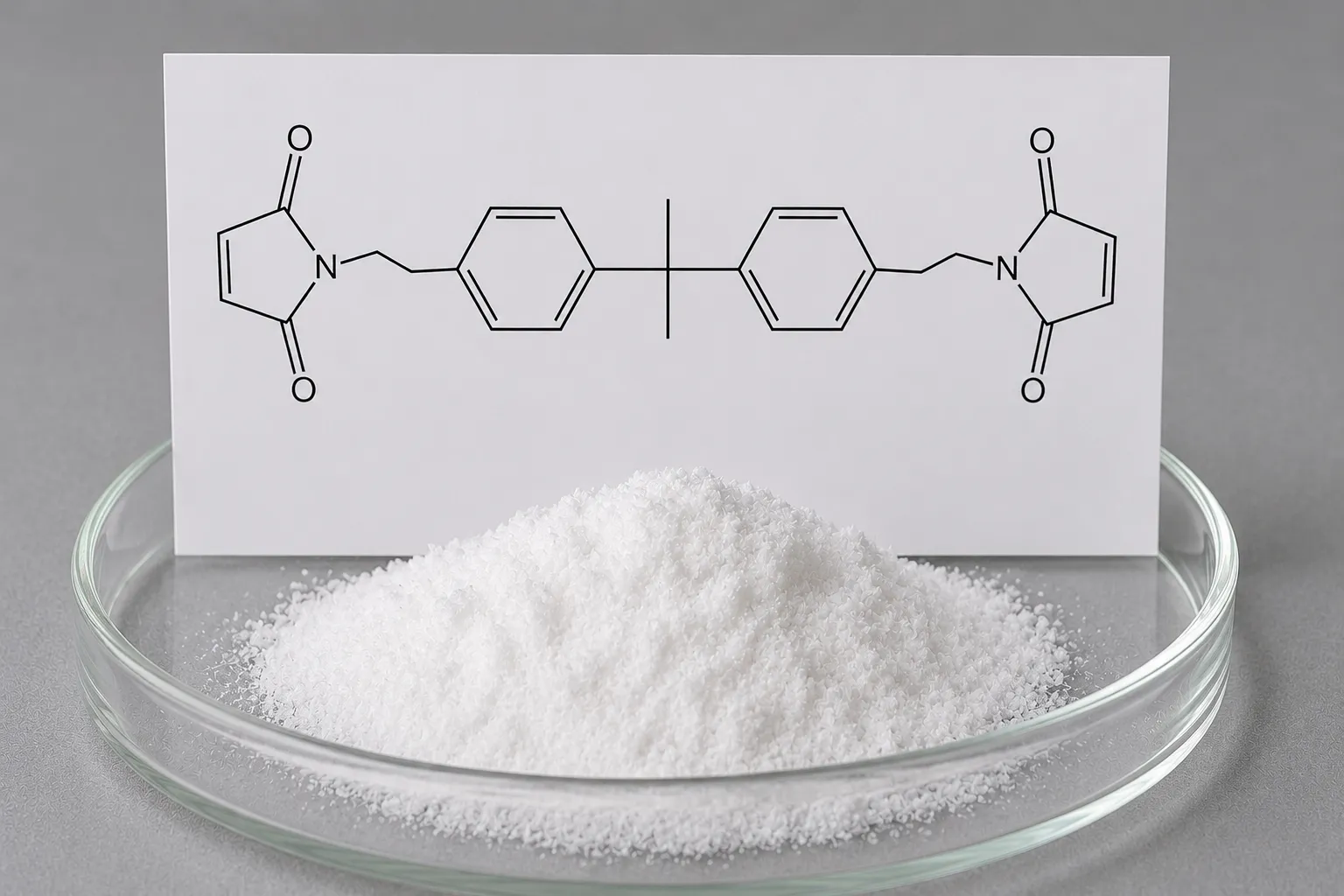
In this competitive landscape of high-temperature materials, these four resin systems represent different philosophies of material design. BMI resins are the "workhorses" of primary aerospace structures due to their excellent balance of processability and heat resistance, yet they are inherently brittle and require complex toughening modifications. CE resins stand out for their exceptional dielectric properties and moisture resistance, making them the preferred choice for radomes and stealth components, but they are prone to micro-cracking during thermal cycling. When it comes to absolute thermal stability, PI resins are the reigning champions, capable of withstanding temperatures exceeding 300°C for extended periods; however, their volatile-heavy curing process often leads to high porosity, making them notoriously difficult to manufacture. Finally, PEEK—representing the thermoplastic category—offers incredible impact resistance and rapid production cycles, but its high melt viscosity creates immense challenges in achieving uniform fiber impregnation. Essentially, choosing a resin is an intricate balancing act between thermal stability, damage tolerance, and manufacturing feasibility.
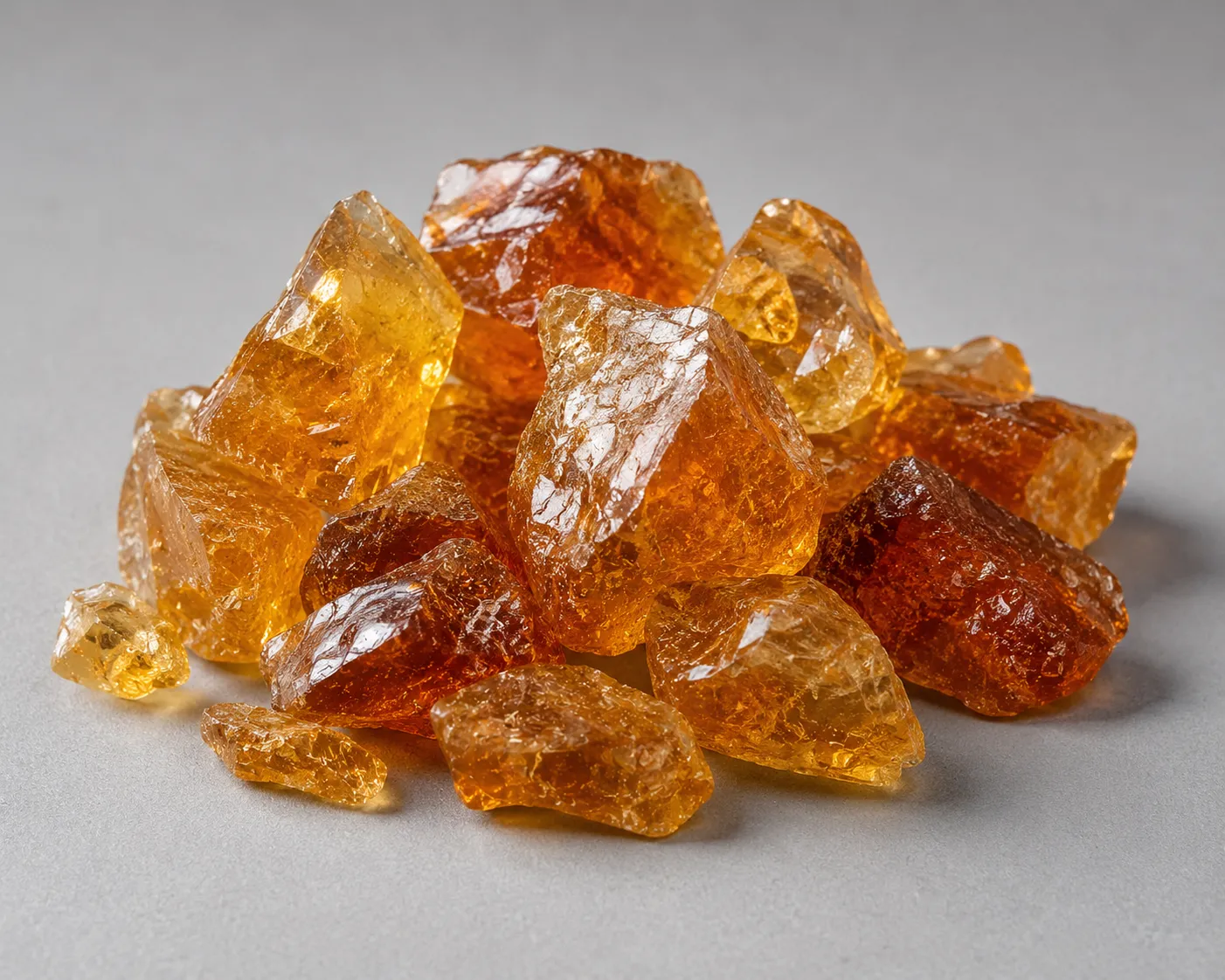
The future of the industry lies in overcoming these material limitations through "hybridization and micro-customization." Recent research breakthroughs are increasingly focused on blurring the lines between thermoset and thermoplastic resins. For instance, researchers are exploring the introduction of high-performance thermoplastics like PEEK or Polyetherimide (PEI) into BMI systems to create toughened matrices that do not sacrifice heat resistance. As aerospace technology evolves, the consensus among scientists is clear: while carbon fibers may define the ceiling of a material's strength, the resin matrix defines the floor of its operational environment. The organizations that can successfully develop a resin system that is simultaneously heat-resistant, tough, and easy to process will hold the ultimate competitive advantage in the manufacturing of next-generation hypersonic and space-faring vehicles.
In the world of advanced aerospace composites, carbon fiber often steals the spotlight for its "lightweight and high-strength" properties. However, as the industry pushes toward hypersonic flight and advanced commercial space exploration, the focus is shifting to the often-overlooked "glue" that holds these structures together: the resin matrix. Experts within the materials science sector have recently highlighted a growing challenge: in the development of next-generation aircraft, selecting the right high-temperature resin is becoming significantly more difficult than choosing the fiber itself. While fibers provide the structural framework, the resin determines the thermal limits and survivability of the aircraft. Currently, the aerospace industry relies on four primary high-performance resin families—Bismaleimide (BMI), Cyanate Ester (CE), Polyimide (PI), and Polyetheretherketone (PEEK). Each offers a unique set of high-temperature capabilities, yet each presents significant manufacturing and structural trade-offs that leave engineers in a constant state of compromise.
In this competitive landscape of high-temperature materials, these four resin systems represent different philosophies of material design. BMI resins are the "workhorses" of primary aerospace structures due to their excellent balance of processability and heat resistance, yet they are inherently brittle and require complex toughening modifications. CE resins stand out for their exceptional dielectric properties and moisture resistance, making them the preferred choice for radomes and stealth components, but they are prone to micro-cracking during thermal cycling. When it comes to absolute thermal stability, PI resins are the reigning champions, capable of withstanding temperatures exceeding 300°C for extended periods; however, their volatile-heavy curing process often leads to high porosity, making them notoriously difficult to manufacture. Finally, PEEK—representing the thermoplastic category—offers incredible impact resistance and rapid production cycles, but its high melt viscosity creates immense challenges in achieving uniform fiber impregnation. Essentially, choosing a resin is an intricate balancing act between thermal stability, damage tolerance, and manufacturing feasibility.
The future of the industry lies in overcoming these material limitations through "hybridization and micro-customization." Recent research breakthroughs are increasingly focused on blurring the lines between thermoset and thermoplastic resins. For instance, researchers are exploring the introduction of high-performance thermoplastics like PEEK or Polyetherimide (PEI) into BMI systems to create toughened matrices that do not sacrifice heat resistance. As aerospace technology evolves, the consensus among scientists is clear: while carbon fibers may define the ceiling of a material's strength, the resin matrix defines the floor of its operational environment. The organizations that can successfully develop a resin system that is simultaneously heat-resistant, tough, and easy to process will hold the ultimate competitive advantage in the manufacturing of next-generation hypersonic and space-faring vehicles.
Email: info@shhejochemicals.com
Phone: + 86 21 6417 1223 / +86 152 167 18324
Address: 910. 9th Floor, No.99 South Longshui Road, Xuhui District, Shanghai, China 200232
Copyright © 2025 Shanghai Hejo Chemicals Ltd. Powered by iglobalwin.com