
Email: info@shhejochemicals.com
Phone: + 86 21 6417 1223 / +86 152 167 18324
Address: 910. 9th Floor, No.99 South Longshui Road, Xuhui District, Shanghai, China 200232
High-temperature resins—such as polyimides, PEEK, and advanced epoxies—are the essential building blocks of modern innovation, driving rapid advancements in electric vehicles, 5G telecommunications, and aerospace engineering. However, as the performance boundaries of these materials are continuously pushed, so too are the stringent global requirements for fire safety. Historically, achieving critical UL 94 V-0 flammability ratings in extreme thermal environments relied heavily on halogenated flame retardants, particularly brominated and chlorinated compounds. While these legacy additives are undeniably effective at suppressing flames, they have come under intense scrutiny due to their environmental persistence and the highly toxic dioxins they release during combustion or end-of-life recycling. For materials scientists, procurement teams, and compounders, this industry-wide shift dictates that passing a simple flammability test is no longer sufficient; the underlying chemistry must now survive a rigorous and evolving regulatory landscape. Navigating the urgent transition to halogen-free flame retardant (HFFR) systems is no longer a niche endeavor, but the mandatory baseline for securing global market entry.
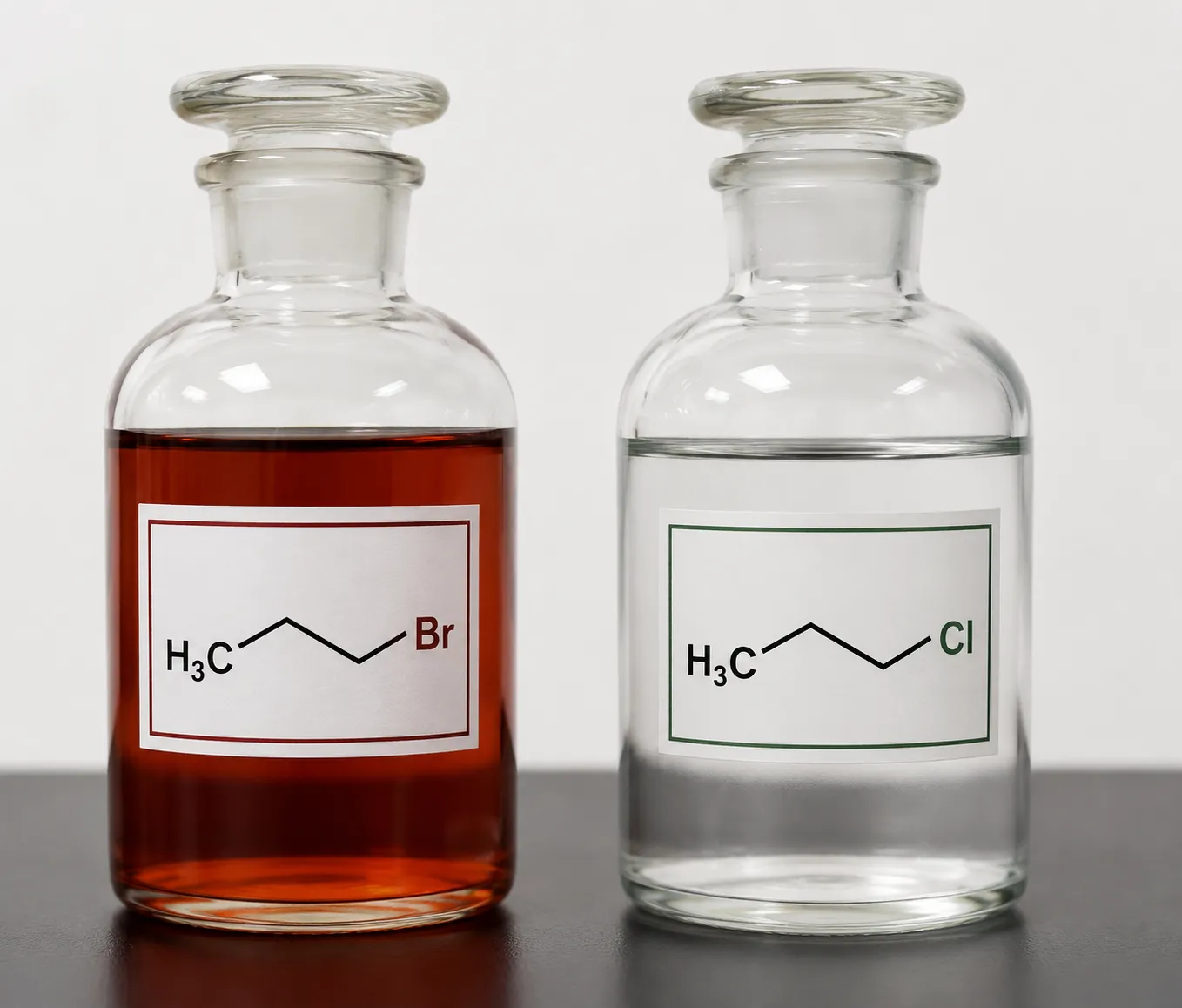
At the absolute forefront of this chemical transition are two pivotal European Union frameworks: RoHS (Restriction of Hazardous Substances) and REACH (Registration, Evaluation, Authorisation and Restriction of Chemicals). Although frequently mentioned in the same breath, they serve distinct regulatory purposes that every materials professional must comprehend. The RoHS directive explicitly targets electrical and electronic equipment, strictly prohibiting the use of specific hazardous substances, including legacy polybrominated biphenyls (PBBs) and polybrominated diphenyl ethers (PBDEs), above a strict 1,000 ppm threshold. If a high-temperature resin housing or substrate contains these restricted compounds, it fails compliance instantly, completely overriding its thermal or mechanical superiority. REACH, conversely, acts as a much broader and more dynamic regulatory net. By continuously expanding its Substances of Very High Concern (SVHC) Candidate List, REACH forces the disclosure, authorization, and potential phase-out of numerous brominated flame retardants that fall completely outside the narrower scope of RoHS. Consequently, achieving RoHS compliance does not automatically guarantee REACH compliance, meaning formulators must rigorously audit their entire additive inventory to prevent sudden supply chain blockages.

The ongoing pivot away from halogenated compounds is significantly more than a mandatory compliance exercise—it represents a fundamental rethinking of high-performance polymer formulation. To successfully meet RoHS and REACH mandates without sacrificing the critical thermal and mechanical properties of high-temperature resins, formulators are heavily investing in phosphorus-based compounds, nitrogen-based intumescent systems, and advanced inorganic nanoscale fillers. While these halogen-free alternatives offer a cleaner and safer path forward, they require meticulous optimization to ensure that a resin's tensile strength, impact resistance, and processability remain intact. Ultimately, comprehensive regulatory compliance serves as the definitive passport to international markets. Engineering plastics that fail to proactively adapt will inevitably face restricted applications, lose regulatory approval, and be entirely engineered out of global supply chains. For materials professionals, staying closely aligned with restriction timelines and seamlessly integrating halogen-free chemistries at the earliest stages of R&D is the only viable strategy to ensure both long-term commercial success and environmental stewardship.
High-temperature resins—such as polyimides, PEEK, and advanced epoxies—are the essential building blocks of modern innovation, driving rapid advancements in electric vehicles, 5G telecommunications, and aerospace engineering. However, as the performance boundaries of these materials are continuously pushed, so too are the stringent global requirements for fire safety. Historically, achieving critical UL 94 V-0 flammability ratings in extreme thermal environments relied heavily on halogenated flame retardants, particularly brominated and chlorinated compounds. While these legacy additives are undeniably effective at suppressing flames, they have come under intense scrutiny due to their environmental persistence and the highly toxic dioxins they release during combustion or end-of-life recycling. For materials scientists, procurement teams, and compounders, this industry-wide shift dictates that passing a simple flammability test is no longer sufficient; the underlying chemistry must now survive a rigorous and evolving regulatory landscape. Navigating the urgent transition to halogen-free flame retardant (HFFR) systems is no longer a niche endeavor, but the mandatory baseline for securing global market entry.
At the absolute forefront of this chemical transition are two pivotal European Union frameworks: RoHS (Restriction of Hazardous Substances) and REACH (Registration, Evaluation, Authorisation and Restriction of Chemicals). Although frequently mentioned in the same breath, they serve distinct regulatory purposes that every materials professional must comprehend. The RoHS directive explicitly targets electrical and electronic equipment, strictly prohibiting the use of specific hazardous substances, including legacy polybrominated biphenyls (PBBs) and polybrominated diphenyl ethers (PBDEs), above a strict 1,000 ppm threshold. If a high-temperature resin housing or substrate contains these restricted compounds, it fails compliance instantly, completely overriding its thermal or mechanical superiority. REACH, conversely, acts as a much broader and more dynamic regulatory net. By continuously expanding its Substances of Very High Concern (SVHC) Candidate List, REACH forces the disclosure, authorization, and potential phase-out of numerous brominated flame retardants that fall completely outside the narrower scope of RoHS. Consequently, achieving RoHS compliance does not automatically guarantee REACH compliance, meaning formulators must rigorously audit their entire additive inventory to prevent sudden supply chain blockages.
The ongoing pivot away from halogenated compounds is significantly more than a mandatory compliance exercise—it represents a fundamental rethinking of high-performance polymer formulation. To successfully meet RoHS and REACH mandates without sacrificing the critical thermal and mechanical properties of high-temperature resins, formulators are heavily investing in phosphorus-based compounds, nitrogen-based intumescent systems, and advanced inorganic nanoscale fillers. While these halogen-free alternatives offer a cleaner and safer path forward, they require meticulous optimization to ensure that a resin's tensile strength, impact resistance, and processability remain intact. Ultimately, comprehensive regulatory compliance serves as the definitive passport to international markets. Engineering plastics that fail to proactively adapt will inevitably face restricted applications, lose regulatory approval, and be entirely engineered out of global supply chains. For materials professionals, staying closely aligned with restriction timelines and seamlessly integrating halogen-free chemistries at the earliest stages of R&D is the only viable strategy to ensure both long-term commercial success and environmental stewardship.
Email: info@shhejochemicals.com
Phone: + 86 21 6417 1223 / +86 152 167 18324
Address: 910. 9th Floor, No.99 South Longshui Road, Xuhui District, Shanghai, China 200232
Copyright © 2025 Shanghai Hejo Chemicals Ltd. Powered by iglobalwin.com